Humane Skunk Removal for Cleaner Residential Areas
Why Animal Removal Programs Are Indispensable: Safeguard Your Home and Health Right Now
Wildlife removal services serve an essential role in maintaining the structure of homes and the well-being of their occupants. Unwelcome animal invasions can result in substantial structural harm and introduce various medical risks. Homeowners often ignore the severity of these issues until it's too late. Understanding the consequences of wildlife invasions is vital for safeguarding one's home. What are the particular risks and advantages associated with expert removal services?
What Animal Intrusions Can Do to Your Home
Wildlife intrusions can create damage on a home, presenting major threats to both structural integrity and occupant safety. Animals such as raccoons, squirrels, and bats can create extensive damage through their nesting habits and food-seeking behaviors. They often damage wires, insulation, and wood, leading to expensive repairs and potential fire hazards. Additionally, their droppings can spread harmful pathogens, raising health concerns for residents.
These encroachments can also threaten the home's security, as openings may be remain exposed or harmed, enabling other pests to penetrate. Sound disturbances from animals can interrupt daily life, producing stress and anxiety for occupants. Furthermore, the presence of wildlife can repel potential buyers, impacting property value. Managing wildlife incursions promptly is critical to lessen these risks and ensure a safe, secure living environment.
How to Figure Out If You Need Wildlife Removal Help?
Spotting the indicators of wildlife encroachment is important to figuring out the necessity for professional extraction services. Homeowners should remain vigilant for odd noises, such as scraping or scampering, notably at night. Visible signs, like droppings, nests, or eaten wires, indicate that animals have taken residence. Unexplained destruction to property, encompassing holes in walls or roofs, can also signal an invasion.
Additionally, if a property owner detects increased pest infestation, such as bugs or rats, it may indicate that larger wildlife is nearby. Unpleasant odors emanating from hidden spaces often indicate dead animals or debris, which poses a health risk.
If any of these indicators are spotted, it is advisable to consult wildlife removal specialists. They possess the knowledge to securely and efficiently address the situation, guaranteeing both property safety and peace of mind for residents.
Grasping the Health Risks Linked to Wildlife Infestations
While many individuals may overlook the occurrence of wildlife in their homes, the potential dangers stemming from infestations can be major. Wildlife such as rodents, raccoons, and bats can spread diseases that pose serious threats to human health. For example, rodents can content spread hantavirus and leptospirosis, while raccoons may carry rabies and raccoon roundworm. These diseases can spread through direct contact, droppings, or contaminated surfaces.
Furthermore, animal invasions can worsen allergies and asthma, particularly due to the allergens found in animal urine and dander. In addition, the potential for structural damage caused by gnawing or nesting behaviors can introduce further health hazards, such as mold growth from damp environments.
Ignoring these risks not only jeopardizes individual well-being but also undermines the security of families and pets. Immediate animal control solutions are crucial to mitigate these health threats effectively.
Qualified Critter Control Increases Value to Your Home
Addressing wildlife infestations not only safeguards health but also increases property value. Homes that are free from pests and wildlife are more attractive to potential buyers, as infestations can signal larger, underlying issues. When expert animal control services are employed, they repair any damage caused by infestations, such as structural harm or contamination. This restoration not only stops further deterioration but also guarantees prospective buyers that the property has been well-maintained.
Furthermore, homes with a history of wildlife issues may find it difficult to command competitive prices. By investing in expert wildlife removal, property owners show a commitment to preserving their home, eventually resulting in a better market perception. Additionally, a animal-free space encourages peace of mind, making the home more desirable. In summary, effective wildlife removal not only safeguards well-being and property but also substantially contributes to increasing a property's overall resale value.
What Takes Place During a Animal Removal Service Inspection?
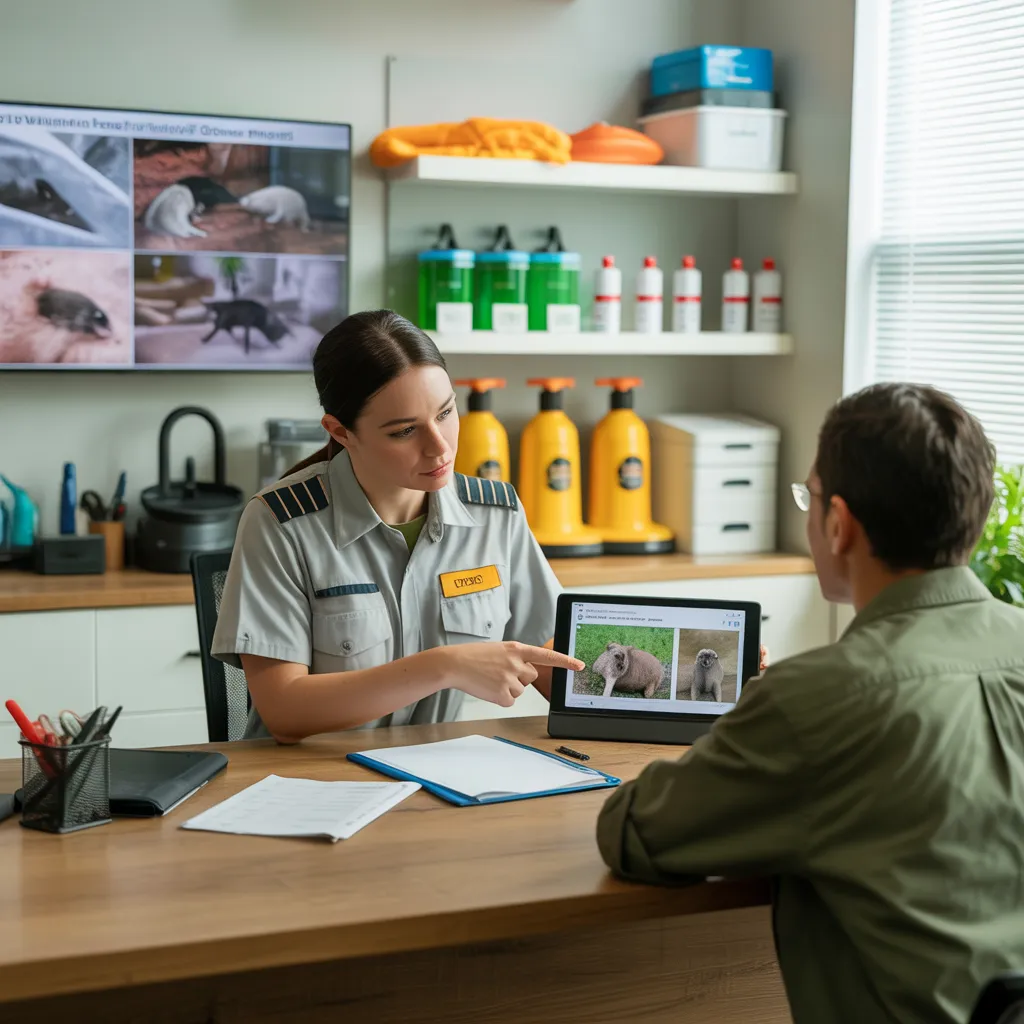
During a animal removal service visit, technicians initiate with a thorough inspection of the property to identify signs of animal presence and potential entry points. Following this assessment, they apply secure removal techniques adapted to the specific species involved. This organized approach guarantees both the effectiveness of the removal and the safety of the surrounding environment.
Preliminary Survey System
A detailed first inspection is essential in the wildlife removal process, as it establishes the basis for an working solution. During this visit, experienced professionals examine the property for signs of wildlife activity, such as scat, footprints, or habitat materials. They analyze potential entry points, including gaps in walls, attics, or basements, and identify areas that may attract animals, such as food sources or sheltered spaces. The inspectors also examine the overall condition of the property to measure the extent of the issue. By carefully documenting their findings, they can recommend tailored strategies for removal and prevention, ensuring a in-depth approach to safeguarding both the property and its occupants from further wildlife intrusion.
Safe Extraction Procedures
Wildlife removal professionals utilize a range of safe techniques to manage animal intrusions efficiently. Upon arrival, they evaluate the situation, identifying entry points and examining the species involved. Using compassionate traps, they apprehend animals without causing harm, ensuring the welfare of both the wildlife and property. Additionally, they may implement exclusion methods, blocking entry points to prevent future intrusions. Professionals often apply eco-friendly repellents to discourage wildlife from returning. Throughout the process, they prioritize safety, employing protective gear and following local wildlife regulations. After removal, they provide clients with guidance on maintaining a wildlife-free environment, emphasizing the importance of regular inspections and proper waste management to deter future issues.
Strategies for Maintaining Your Home Without Wildlife
To preserve a animal-free home, homeowners must implement proactive steps to repel wildlife visitors. To begin, sealing access points is essential; this encompasses closing openings in foundations, walls, and roofs. Placing screens over chimneys and vents further minimizes access. Furthermore, keeping outdoor areas tidy blocks wildlife from locating food or shelter. Regularly trimming trees and shrubs discourages animals from nesting too close to the house.
Adequate garbage control is also necessary. Using closed garbage containers and managing compost responsibly reduces attractants, while removing pet food and birdseed from outside helps eliminate easy food sources. Homeowners should also think about installing motion-sensor lighting systems or sprinklers, which can scare off wildlife.
To summarize, regular inspections of the property can help identify latent issues before they intensify. By establishing these preventative measures, occupants can notably reduce the likelihood of wildlife encounters, ensuring a protected and tranquil living environment.

Frequently Inquired Questions
How Can Wildlife Removal Services Ensure Animal Welfare?
Wildlife removal services guarantee animal safety by employing compassionate capture techniques, guaranteeing minimal stress and harm. Skilled experts evaluate the situation, relocate animals appropriately, and implement preventative measures to avoid future encounters, safeguarding both wildlife and property.
What Fees Accompany Wildlife Removal Services?
Charges involved in wildlife removal services fluctuate significantly, typically totaling $100 to $1,500. Variables shaping pricing include the type of animal, degree of the problem, and necessary repairs or preventive measures.
Can I Attempt Do-It-Yourself Animal Extraction?
Attempting DIY wildlife removal can be risky and may lead to harm or legal problems. Professionals have the knowledge and equipment required for safe, effective removal, guaranteeing both safety and compliance with regional laws.
What Length of Time Does a Standard Wildlife Removal Process Involve?
The conventional removal process for wildlife can range anywhere from a few hours to several days, based on the extent of the problem, the type of wildlife involved, and the difficulty of the removal situation.
Are Wildlife Control Services Environmentally Responsible?
Wildlife control services can be sustainable, employing humane methods to displace wildlife without damage. Many specialists value environmentally safe practices, maintaining little interference to local ecosystems while effectively addressing human-wildlife conflicts.